In a region where care can take months, one appointment made the difference.
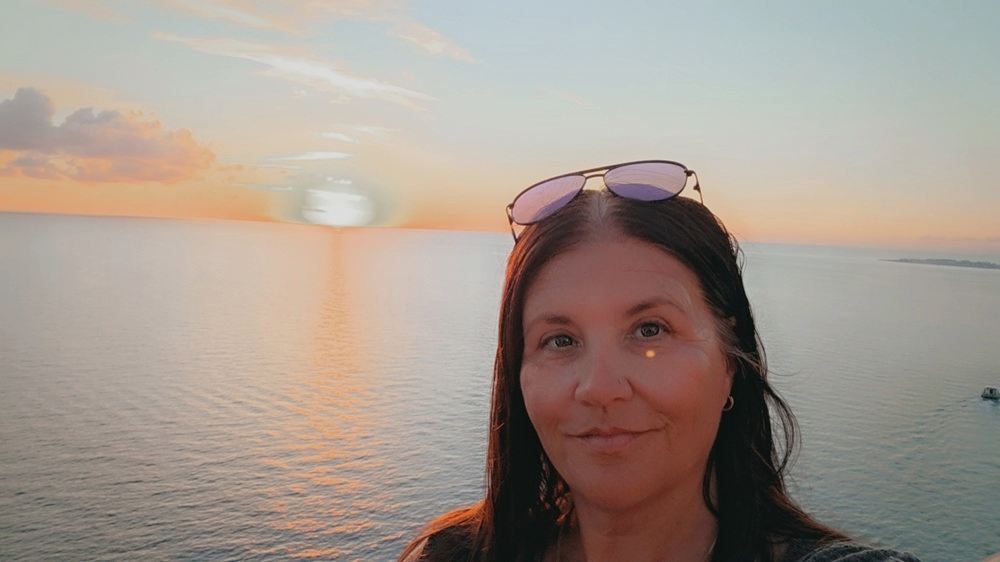
Darcey Lunski has always called Grand Forks home. She grew up there, graduated from high school and college there and is now is mom to two sons who live there. Like many women in northern North Dakota, Lunski knows how hard it can be to get timely women’s health care.
Appointments can take months to schedule. That delay can make routine care feel out of reach.
Access challenges
“It can take so long just to get in,” Lunski said. “You wonder if it is really urgent enough, so you wait.”
That experience led Lunski to seek care through VitellaCare, managed by Crossover. VitellaCare has offices in Grand Forks, Minot and West Fargo and offers virtual care across North Dakota and Minnesota. The centers offer same-day, next-day appointments in-person or virtually.
At VitellaCare – Grand Forks, Lunski connected with Christina Walker, nurse practitioner.
Walker provides women’s health and primary care with a focus on preventive visits, routine screenings and early follow‑up when something does not look right. She works closely with patients to answer questions, explain next steps and help them feel comfortable raising concerns they may have put off.
What started as a routine women’s health visit with Walker quickly became life changing.
Caught early
During Lunski’s exam Walker performed routine women’s health screenings and found an area of concern.
“Who knows where I would be right now if I was still waiting to get into my doctor,” Lunski said.
Early care made all the difference.
“I am a really big advocate for women’s health,” Lunski said. “Easy access helps you stay on top of it.”
Why screenings matter
Routine women’s health screenings can find problems early, often before symptoms appear. General guidelines include:
- Pap tests: Start at age 21 and usually every three years if results are normal
- HPV testing: Often begins at age 30, sometimes combined with a Pap test
- Mammograms: Often start in the 40s or 50s depending on personal risk and provider guidance
Care teams may recommend different timing based on an individual’s health history.
A shared story
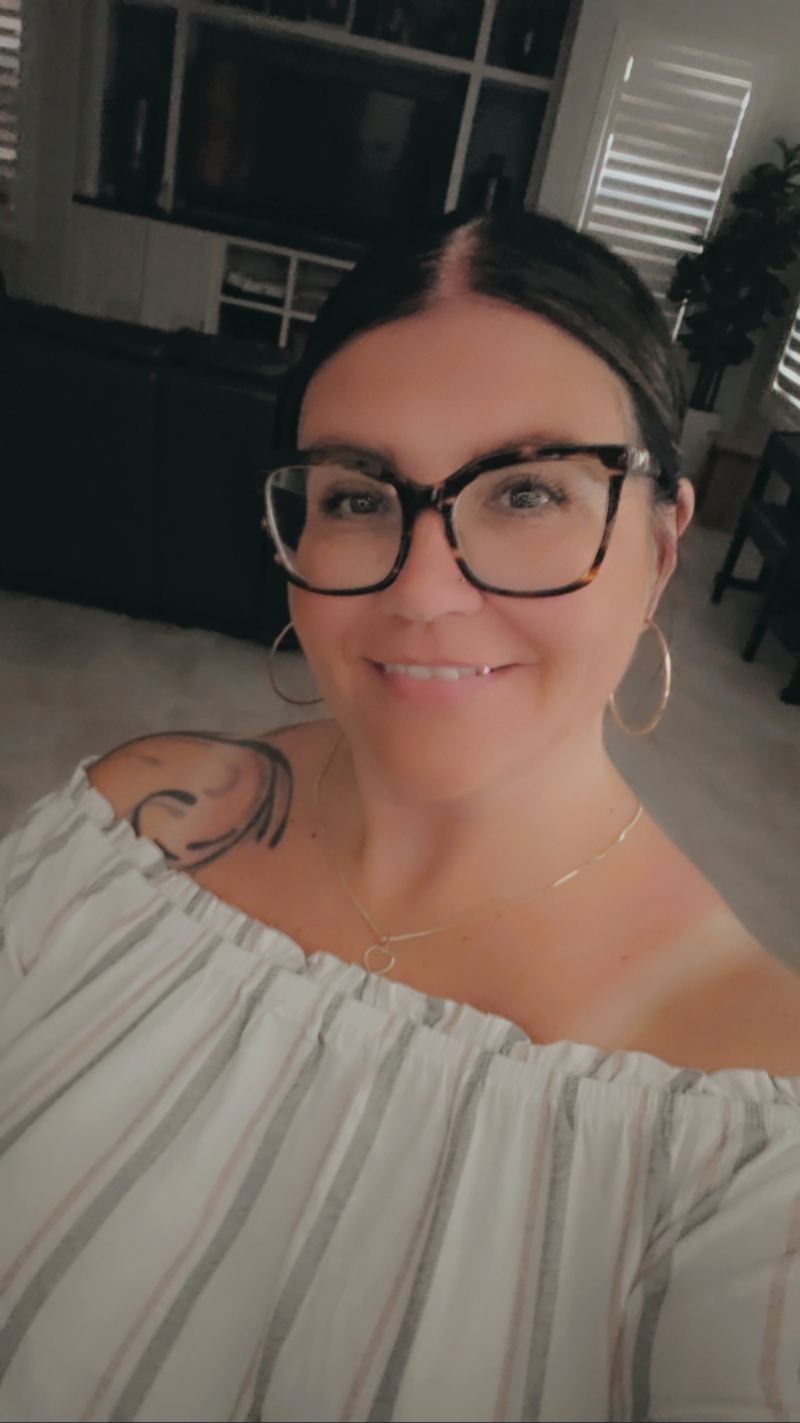
Lunski chose to share her story so other women would understand how important access and early detection can be.
“If my story helps one woman make an appointment sooner,” Lunski said, “it is worth it.”