Student-athlete recognizes mental health as essential to physical well-being
College was Emily Light’s first time living away from home. The independence she wanted came with anxiety she did not expect.
A Fargo North High School graduate, Light had always stayed busy. She balanced school with cross-country, softball, band, student council and art, supported by a close‑knit family that included her parents and two older brothers. She was used to structure, connection and knowing where she belonged.
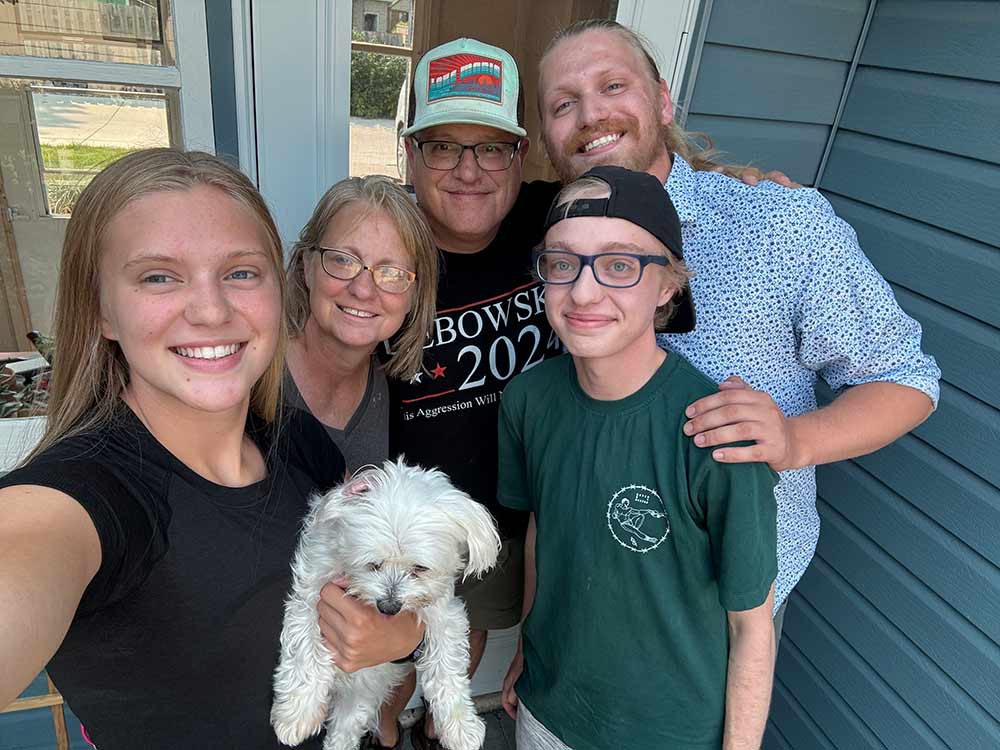
That changed when she left Fargo for Minot State University.
Light, 21, moved to Minot to pursue a biology degree and wrestle at the collegiate level. She arrived motivated and ambitious, ready to prove herself academically and athletically. What she did not anticipate was how overwhelming the transition would feel.
When independence turned into anxiety
Living in a dorm, sharing space and being far from family triggered anxiety Light had never experienced before. Sleep became difficult. Daily tasks felt heavier. The pressure to balance classes, practices and a new environment added up quickly.
“I didn’t feel like myself,” Light said. “Everything changed at once.”
Like many students, Light took advantage of free counseling services available on campus. A recommendation from a friend led her to Troy Roness, Ed.M. (C/S), M.S., LPC, a licensed professional counselor, and that made all the difference.
“Troy made me feel understood,” she said.
Therapy that met her where she was
Working with Roness helped Light understand her anxiety instead of fighting it. She learned tools to manage stress, improve sleep and rebuild confidence. One of the most meaningful exercises involved identifying her personal values.
Through therapy, Light named “authenticity,” “reciprocity” and “freedom” as the values guiding her decisions.
“That list changed how I look at everything,” she said. “When things feel overwhelming, I go back to it.”
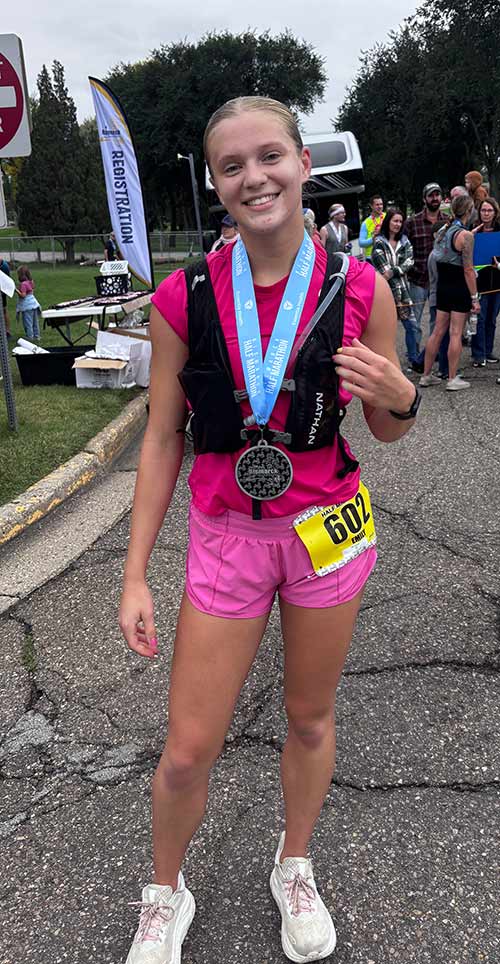
"What stands out in Emily’s experience is the shift from trying to control or eliminate anxiety to building a different relationship with it,” Roness said. “In values-based approaches, the goal isn’t to 'win' against anxiety, but to create space for it while still moving toward what matters. By understanding her anxiety instead of fighting it, Emily practices acceptance and psychological flexibility, which can be very helpful for some in therapy."
As Light’s mental health improved, so did other areas of her life. She felt more confident, grounded and capable of handling both school and athletics.
“Therapy is not a forever thing,” she said. “Medication is not a forever thing. It’s just a right-now thing.”
Connections between mental health, athletic performance
Light’s anxiety impacted her thoughts. It also showed up physically through stomach issues, disrupted sleep and hesitation during wrestling matches. On the mat, second‑guessing herself cost her opportunities to perform at her best.
As counseling progressed, those barriers began to lift. Light trusted herself more. She competed with confidence. Her coaches noticed the change.
“I could not have done that if it weren’t for Troy,” she said.
Light also protected her mental health in a sport that often emphasizes weight cutting. She chose to compete at her natural weight and prioritize well‑being over unhealthy expectations.
“My mental health mattered more than any number on a scale,” she said.
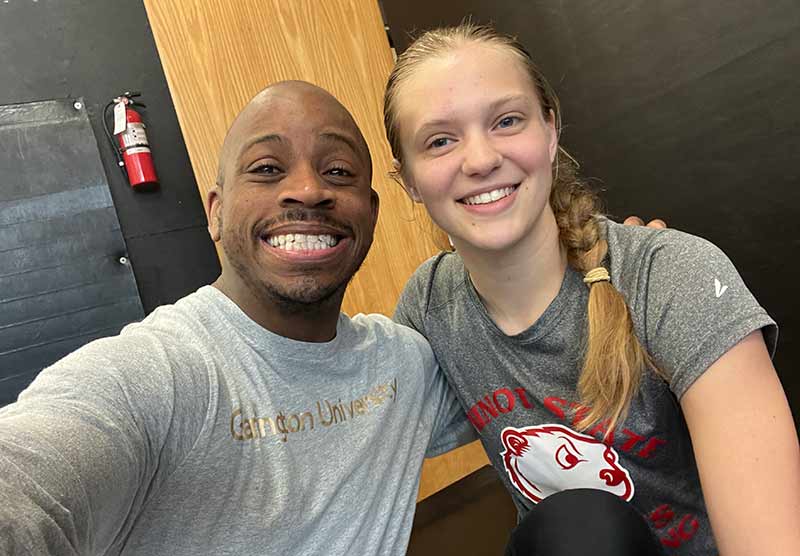
Integrating physical, mental health
When Roness transitioned from Minot State Counseling Services to VitellaCare - Minot, Light worried she would lose the progress she had made. Instead, she was able to follow Roness and her care became even more integrated.
At VitellaCare, managed by Crossover, Light also worked with Nurse Practitioner Heidi Peterson, for preventive health and women's health. Having support for mental health and primary care made a noticeable difference.
"It wasn't just treating one problem at a time, " Light said. "It was all connected."
Peterson agreed.
“Addressing topics at preventive care visits – financial stress, housing insecurity or lifestyle habits such as exercise, diet and sleep – often aid in treating the person's overall health,” she said. “Teens and young adults have unique stressors as they are navigating pressure, changing schedules and new responsibilities. Our team is there to support them so they can successfully reach their goals."
Customized care
Light describes VitellaCare as welcoming and personal, with a team that genuinely cares.
“They remember you,” she said. “It feels like people are invested in your health, not just the appointment.”
Same‑day or next‑day scheduling also mattered as a student-athlete with an unpredictable schedule. Compared to more traditional health care settings, Light felt VitellaCare offered something different.
“This is what health care should be,” she said. “When I’m a doctor, I want to provide care like that.”

Looking ahead, giving back
Now a junior at Minot State University, Light plans to graduate next spring and apply to medical school. Her goal is to become an obstetrician gynecologist and help care for others as professionals have cared for her.
By sharing her story, Light hopes other students and athletes feel less alone and more empowered to reach out for help.
“It is 100% worth it,” she said. “Caring for yourself changes everything.”